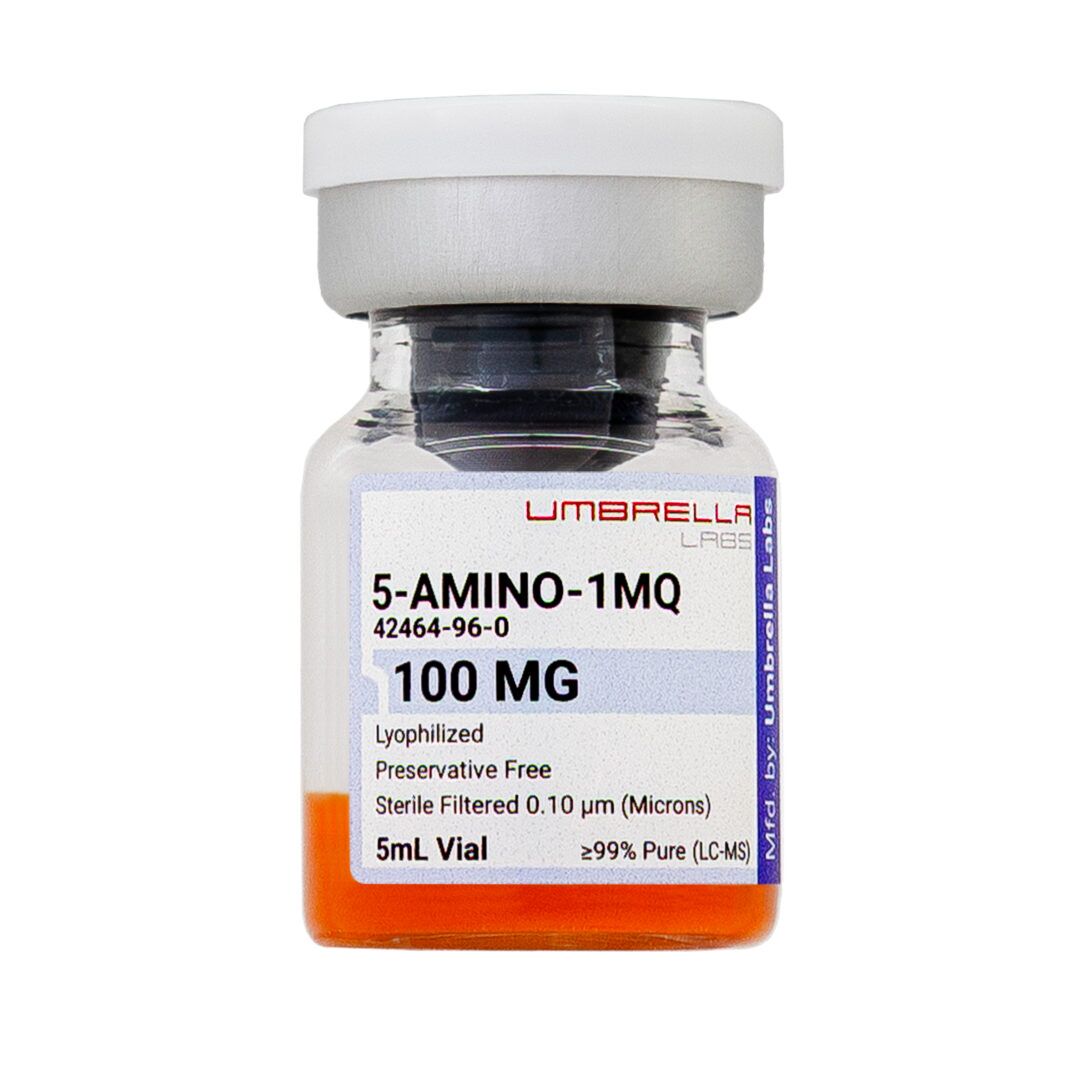
Key Takeaways Standard research dosing for 5-amino-1-MQ typically ranges from 50-100mg daily, with some protocols extending to 200mg based on body weight and research objectives Administration routes include oral capsules, sublingual tablets, and injectable forms, each with different bioavailability profiles Timing protocols generally recommend split dosing (morning and evening) or single morning administration for optimal metabolic enzyme inhibition Cycle length in research settings commonly spans 8-12 weeks with appropriate monitoring and evaluation periods Individual factors such as body composition, metabolic rate, and research goals significantly influence optimal dosing strategies Understanding 5-Amino-1-MQ and Its Mechanism Before diving into dosing protocols, understanding how 5-amino-1-MQ functions provides essential context for determining appropriate administration strategies

With vitamin D-3, our immune system becomes stronger, our bones are strengthened, and our neurons communicate more efficiently
Importantly, the study confirmed that AOD-9604 displayed a very good safety and tolerability profile indistinguishable from placebo, with no treatment-related serious adverse events or study withdrawals occurring
Vitamin B12 According to the weakness anemia pale skin heart palpitations weight loss loss of appetite infertility numbness in the hands and feet confusion soreness of the mouth memory issues Diagnosis Doctors diagnose a vitamin B12 deficiency through a blood test
Tamper-evident seal to support chain-of-custody and inventory controls
If you have a history of B12 sensitivity or specific medical conditions, mention that during your consult